

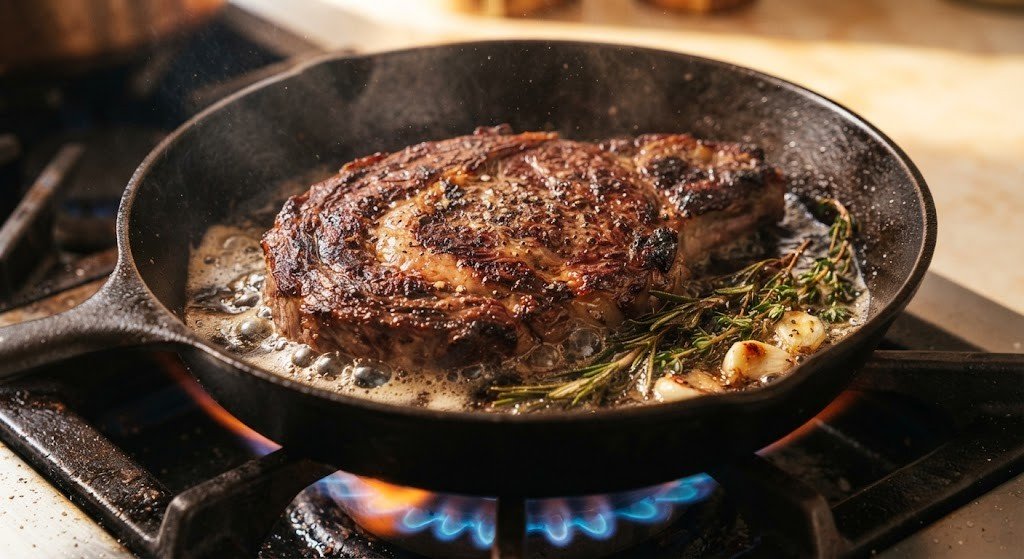
Achieving a rich, caramelized outer crust while keeping the interior juicy and tender is the holy grail of cooking. Whether you are searing a prime steak, charring summer vegetables, or wok-frying noodles, mastering high-heat cooking techniques transforms humble ingredients into restaurant-quality meals.
High-temperature cooking isn’t just about cranking up the burner; it is a balance of physics, fat choice, and surface control.
Key Takeaways
- The Maillard Reaction Is Key: High heat triggers a chemical reaction between amino acids and reducing sugars, producing complex flavors and that iconic brown crust.
- Moisture Kills the Sear: Always thoroughly dry food surfaces before applying heat; moisture creates steam, which prevents caramelization.
- Oil Smoke Points Matter: Always select high-smoke-point fats like avocado oil, clarified butter (ghee), or beef tallow to prevent bitter off-flavors and harmful smoke.
- Preheat Your Cookware: Pan surface temperature must be hot enough before adding ingredients to form an immediate crust without overcooking the center.
The Science of the Crust: Understanding the Maillard Reaction
At the heart of every great crust is the Maillard reaction—a chemical transformation that occurs when proteins and sugars in food are exposed to temperatures roughly between 300°F and 500°F (150°C–260°C).
Unlike simple caramelization (which involves sugar alone), the Maillard reaction alters proteins to release hundreds of brand-new aroma and flavor compounds.
Why Moisture Is the Enemy of High-Heat Cooking
Water boils at 212°F (100°C). As long as surface moisture exists on your protein or vegetables, the surface temperature cannot rise high enough to trigger the Maillard reaction. Instead of frying or searing, your food steams in its own released liquid.
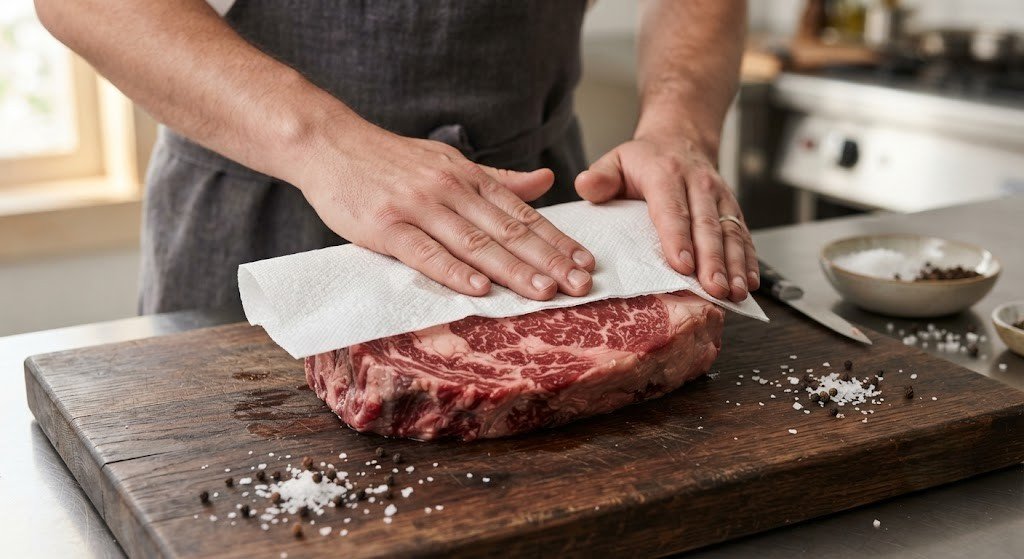
- Pat it Dry: Use paper towels to dry meats completely before seasoning.
- Dry Brining: Salt your meat 12 to 24 hours in advance and leave it uncovered in the refrigerator. The salt draws out moisture, which re-absorbs, leaving a dry, primed exterior.
The Top High-Heat Cooking Techniques
To unlock maximum flavor, you must pair the correct method with the right cut of meat or vegetable.
1. Hard Pan-Searing
Pan-searing involves transferring heat rapidly through direct contact with heavy metal cookware.
- Best Utensils: Cast iron skillets or carbon steel pans. Their high thermal mass retains heat even when cold ingredients hit the surface.
- How to Do It: Preheat the dry skillet over medium-high heat until hot. Add a thin layer of high-heat oil. Once the oil shimmers and barely begins to wisps smoke, lay down your dry, seasoned protein. Leave it undisturbed for 2–3 minutes to establish a continuous crust before flipping.
For a deeper look into selecting durable cookware, check out our guide on [Internal Link: Insert internal URL here with anchor text: essential heavy-duty cast iron cookware maintenance].
2. High-Temperature Roasting and Broiling
Roasting at 425°F to 475°F (220°C–245°C) caramelizes natural sugars in vegetables like Brussels sprouts and carrots while crisping the skin on poultry. Broiling utilizes direct radiant heat from above, acting like an inverted grill.
- Pro Tip: Do not overcrowd the baking sheet. Space out ingredients so steam can easily escape.
3. Wok Stir-Frying (Wok Hei)
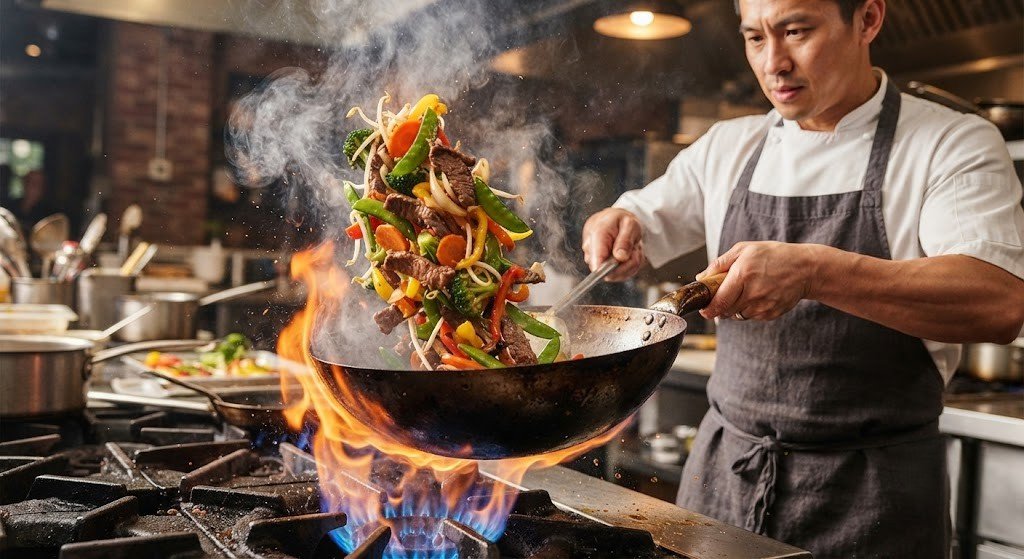
Originating in traditional Asian cuisine, wok cooking relies on extremely high thermal energy and rapid movement. The smoky, distinct flavor produced is known as wok hei (“breath of the wok”).
- How It Works: Small, uniformly cut pieces of food cook in seconds over intense heat. Continuous tossing ensures even cooking while keeping food surfaces caramelized and crisp without getting soggy.
To learn more about cooking science and thermal energy transfer, consult resources from [External Link: Insert high-authority external URL here with anchor text: Harold McGee's On Food and Cooking guide].
Choosing the Right Fats for High-Heat Cooking
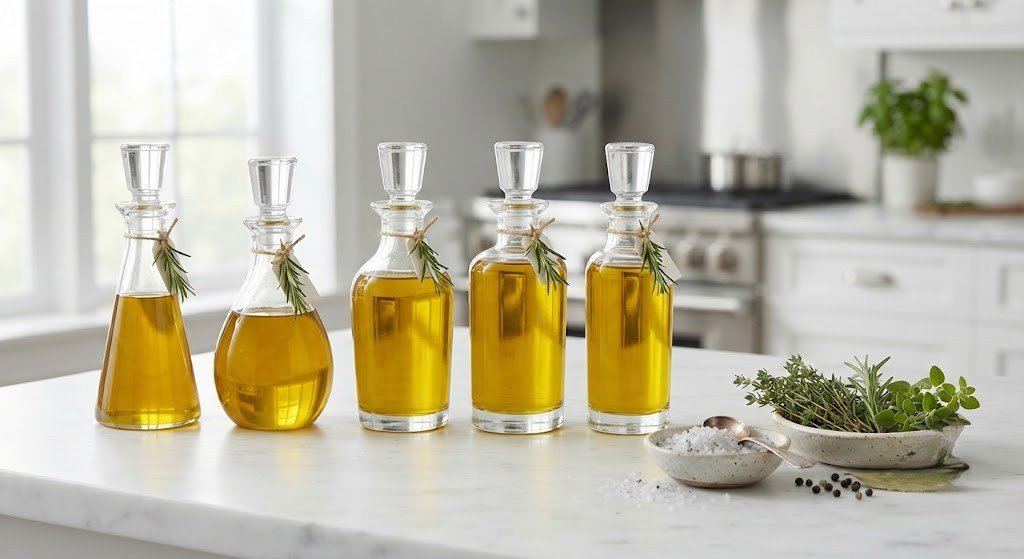
Using low-smoke-point fats at high temperatures burns the oil, releasing acrid flavors and free radicals.
| Cooking Fat | Smoke Point (°F) | Best For |
| Avocado Oil | 520°F (270°C) | Pan-Searing, Roasting, Grilling |
| Beef Tallow / Ghee | 450°F–485°F (230°C–250°C) | Steaks, Chops, Potatoes |
| Grapeseed Oil | 420°F (215°C) | General High-Heat Frying, Wok Cooking |
| Extra Virgin Olive Oil | 375°F (190°C) | Avoid for High-Heat Searing |
| Butter (Unclarified) | 350°F (175°C) | Best for Finishing, Not Initial Searing |
Essential Tips to Prevent Burning While Maximizing Flavor
- Perform Butter Basting at the End: Milk solids in whole butter burn quickly at high heat. Sear your meat first in a high-smoke-point oil. During the final 60 seconds of cooking, drop heat to medium, add butter, garlic, and herbs, and continuously spoon the foamy browned butter over the meat.
- Control the Cookware Thermal Recovery: Adding too much food at once drops pan temperature instantly, causing juices to bleed out and steam the food. Always cook in batches if necessary.
- Use the Reverse Sear for Thick Cuts: For steaks over 1.5 inches thick, cook them low and slow in an oven or smoker until slightly below target internal temperature, then finish with an intense 60-second high-heat sear in cast iron.
Frequently Asked Questions (FAQs)
What are the best high-heat cooking techniques for thick steaks?
The reverse sear method is ideal for thick cuts. Bake the steak at a low temperature (225°F/105°C) until warm inside, then drop it into a blistering-hot cast-iron skillet for 1 minute per side to form a deep crust without creating a brown gray ring inside.
Why does my meat stick to the pan during high-heat searing?
Meat sticks when the pan surface is cold or wet, or when you attempt to flip it too early. As the Maillard reaction finishes forming a solid crust, the meat naturally releases itself from the pan surface.
Is extra virgin olive oil safe for high-heat cooking methods?
Extra virgin olive oil has a lower smoke point (~375°F) and contains delicate compounds that break down under high heat, producing bitter smoke. It is better suited for low-to-medium heat cooking, sautéing, or as a finishing oil.
Conclusion
Mastering high-heat cooking techniques transforms average home meals into exceptionally flavorful, perfectly textured culinary creations. By drying your ingredients thoroughly, selecting high-smoke-point fats, and choosing heavy cookware that holds heat, you can effortlessly achieve maximum flavor and an appetizing golden crust every single time you cook.