

Pasta is one of the world’s most beloved staples, yet the gap between a basic weeknight bowl and a truly unforgettable meal comes down to technique. Creating exceptional savory pasta dishes isn’t about using dozens of complex ingredients; it’s about understanding flavor extraction, emulsification, and the harmonious balance between dough and sauce.
Whether you are craving classic Italian comfort food like Carbonara and Cacio e Pepe or looking to experiment with modern savory twists featuring miso, roasted garlic, or braised meats, mastering fundamental techniques will instantly elevate your culinary game.
Key Takeaways
- Master Emulsification: Starchy pasta cooking water combined with fat (guanciale fat, butter, olive oil) and hard cheese creates a silky, smooth sauce without heavy cream.
- Respect Texture: Always cook pasta al dente—finishing it directly in the sauce pan for the final 1–2 minutes so it absorbs maximum flavor.
- Balance Italian Tradition with Modern Innovation: Traditional recipes rely on minimalist, high-quality ingredients, while modern variations leverage umami-rich ingredients like miso, roasted mushrooms, or pan-seared braised short ribs.
- Salt Your Water Generously: Pasta water should taste mildly like seawater to season the pasta thoroughly from the inside out.
The Secret Foundations of Exceptional Savory Pasta
To elevate your savory pasta dishes from good to extraordinary, professional chefs rely on a few universal rules that form the foundation of Italian culinary tradition.
The Power of Pasta Water
Never drain your pasta water down the sink! The cloudy, salty liquid left behind after boiling pasta is liquid gold. High in dissolved starches, adding half a cup of this water to your saucepan acts as an emulsifier, binding oil or butter with cheese to form a glossy sauce that clings perfectly to every noodle.
Pairing the Right Shape with the Right Sauce
Not all pasta shapes are created equal. Matching your pasta geometry to your sauce style is essential:
- Long, Thin Strands (Spaghetti, Linguine): Best for light, oil-based, or delicate seafood sauces.
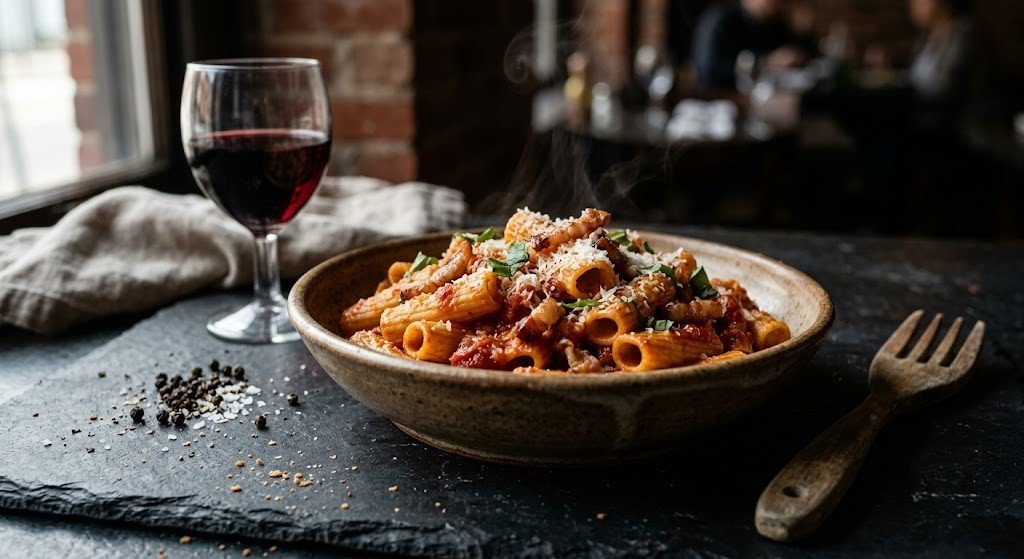
- Tubular Shapes (Rigatoni, Penne): Ideal for hearty meat ragùs and thick savory sauces that can nestle inside the tubes.
- Ribbon Shapes (Tagliatelle, Pappardelle): Perfect for coating in rich, slow-braised meat sauces and velvety cream reductions.
Elevating Traditional Italian Recipes
Traditional Italian cooking focuses on hyper-local, high-quality ingredients processed with restraint. When preparing classic savory pasta dishes, avoiding shortcuts yields superior flavor profiles.
Classic Carbonara: Umami Without Cream
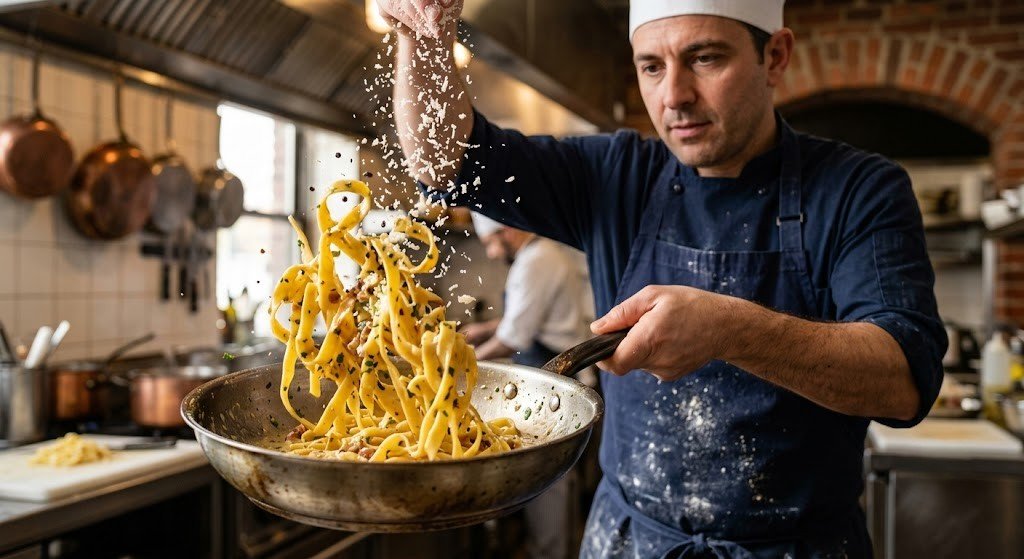
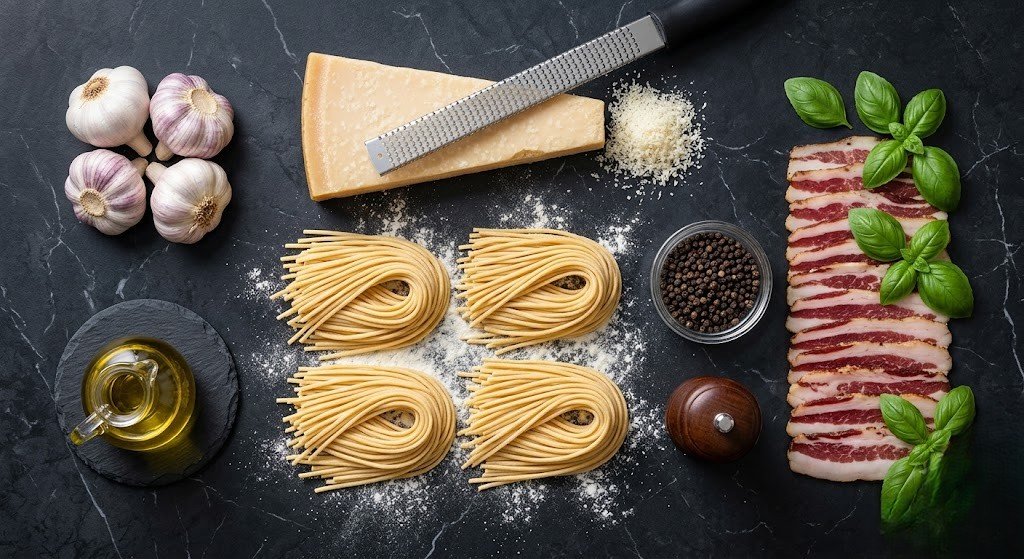
Authentic Roman Carbonara relies solely on crispy guanciale (cured pork cheek), fresh egg yolks, grated Pecorino Romano, and cracked black pepper. The residual heat of the hot pasta cooks the egg mixture gently into a cream-like sauce—no heavy cream required.
Cacio e Pepe: The Ultimate Test of Emulsification
Combining just toasted black peppercorns, aged Pecorino Romano, and pasta starch water, this minimalist dish proves that simplicity creates the most deeply satisfying meal when executed with precision.
If you enjoy slow-cooked, rich comfort meals, check out our step-by-step guide on making [Internal Link: rich braised short rib ragù for pasta].
Modern Twists on Savory Pasta Dishes
While respecting tradition is vital, modern cooking invites creative flavor mashups that amplify depth and richness.
Umami-Packed Miso Garlic Butter Pasta
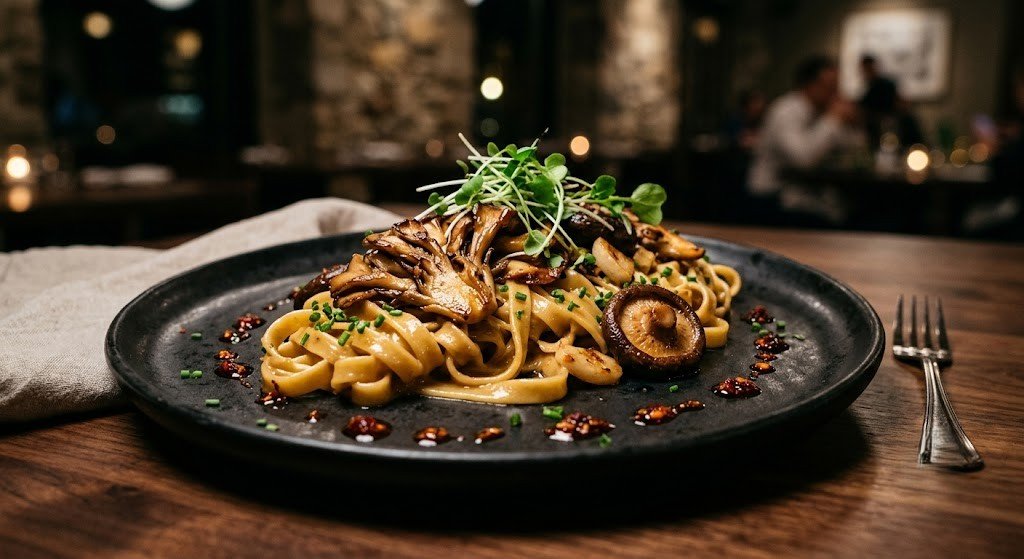
Adding a tablespoon of white or yellow miso paste to a garlic butter base infuses Western pasta with deep, fermented Japanese umami notes. Paired with sautéed wild mushrooms and scallions, this fusion approach yields an intensely rich, flavorful dinner in under 15 minutes.
Roasted Garlic and Chili Crisps
Roasting whole garlic cloves sweetens their bite, turning them soft and spreadable. Mashing roasted garlic into warm olive oil with a dollop of spicy chili crisp creates a bold, aromatic base that transforms simple spaghetti into a vibrant, modern favorite.
For further reading on authentic regional Italian pasta variations and standards, read the overview provided by the [External Link: Italian Academy of Cuisine culinary guidelines].
Common Mistakes to Avoid
- Rinsing Cooked Pasta: Rinsing drains away surface starches that allow sauce to adhere. Never rinse pasta unless you are making a cold pasta salad.
- Overcrowding the Cooking Pot: Always cook pasta in a generous volume of boiling water so it moves freely and cooks evenly without sticking together.
- Adding Oil to the Boiling Water: Oil coats the dry pasta and prevents sauces from clinging to the cooked surface later.
FAQs
What gives pasta sauce its savory flavor?
The savory flavor (umami) in savory pasta dishes comes from ingredients rich in natural glutamates, such as aged cheeses (Parmigiano-Reggiano, Pecorino), cured meats (guanciale, pancetta), mushrooms, tomato paste, garlic, and fermented seasonings like miso or anchovies.
How do you make pasta sauce thicker naturally without flour?
The best way to thicken pasta sauce is by reducing it over medium heat and stirring in hot, starchy pasta water along with cold butter or finely grated hard cheese. The starch and fat emulsify to create a thick, glossy texture naturally.
Why should I finish cooking pasta directly in the sauce pan?
Transferring pasta to your sauce skillet 1 to 2 minutes before it hits full al dente allows the pasta pores to absorb the sauce itself, producing a far more cohesive and flavorful dish than simply ladling sauce over plain boiled pasta.
Mastering high-quality savory pasta dishes doesn’t require culinary school—just an appreciation for fundamental principles like emulsification, timing, and ingredient quality. By applying these traditional secrets and modern twists in your own kitchen, you can transform simple weeknight meals into restaurant-caliber feasts every time you boil a pot of water.
What is your absolute favorite savory pasta to make at home? Let me know, or tell me which classic recipe you’d like me to cover next!