

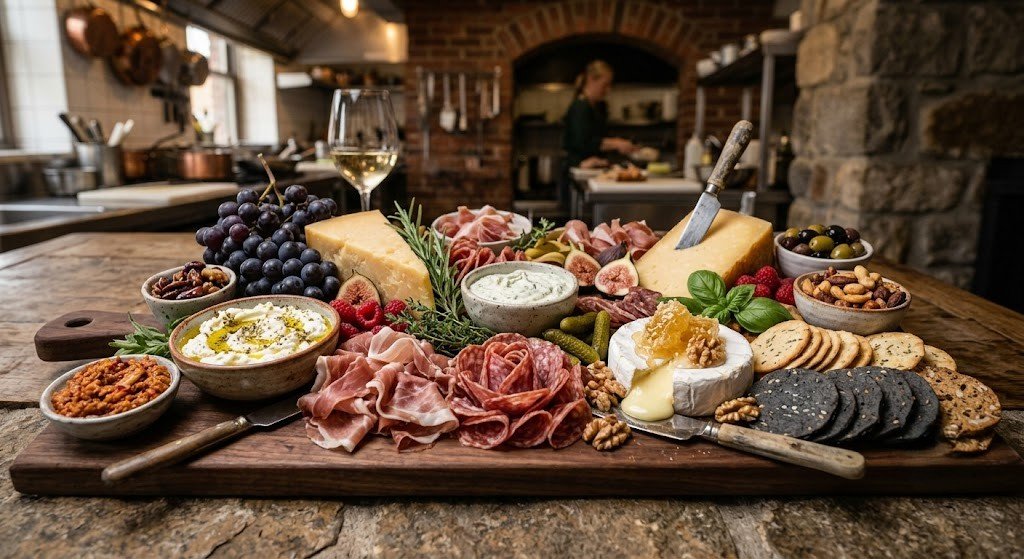
Entertaining guests or hosting a casual gathering should be as enjoyable for the host as it is for the attendees. Beautifully styled savory grazing boards paired with handcrafted, artisanal dips offer the perfect balance of visual appeal, varied textures, and rich flavors—all without keeping you stuck in the kitchen during your event.
Unlike traditional charcuterie platters, modern grazing boards focus on an interactive eating experience. By combining contrasting taste profiles—such as salty cured meats, creamy cheeses, tangy pickles, crisp crackers, and vibrant homemade spreads—you can create an unforgettable centerboard that caters to every palate.
Key Takeaways
- The Anchors First Rule: Always place your dip bowls, small ramekins, and soft cheeses on the board first to build a solid structural layout before filling in open spaces.
- Master the Flavor Palette: Achieve culinary balance by incorporating five distinct flavor pillars: salty, sweet, savory, creamy, and acid/tangy.
- Artisanal Dips as Flavor Drivers: House-made spreads like whipped feta with honey, roasted red pepper hummus, and caramelized onion dip elevate a standard platter into a gourmet experience.
- Abundance & Depth: Layer ingredients tightly and overlap items to create a lush, generous appearance without leaving empty spaces on the board.
Anatomy of a Perfect Savory Grazing Board
Building memorable savory grazing boards requires more than tossing a few crackers and cheese slices onto a tray. Success lies in intentional selection across five core component categories:
1. Artisanal Cheeses
Vary your selections by texture, aging, and milk type (cow, goat, sheep). Combine a hard cheese (such as aged Cheddar or Manchego), a soft cheese (like creamy Brie or Camembert), and a tangy option (goat cheese logs or blue cheese) for contrast.
2. Cured Meats & Proteins
Offer high-quality charcuterie with diverse shapes and fat levels. Prosciutto folded into delicate ribbons, thinly sliced genoa salami rolled into rosettes, and dry-cured chorizo add rich, savory depth.
3. Crunchy Vehicles
Provide a sturdy foundation for dipping and layering. Include a mix of sea salt artisan crackers, seeded flatbreads, sliced baguette rounds, and crispy breadsticks (grissini).
4. Fresh & Pickled Accents
Incorporate fresh fruits (grapes, fig halves, berries), dried fruits (apricots, dates), and briny, acidic elements (marinated olives, cornichons, pickled red onions) to cleanse the palate between rich bites.
Crafting Signature Artisanal Dips
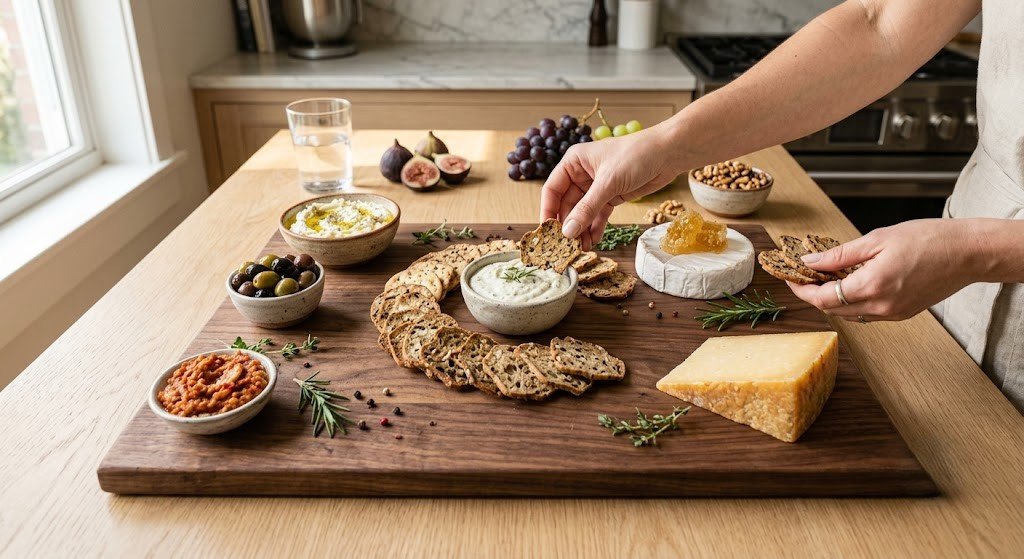
Dips and spreads serve as the binding agent for savory grazing boards. While store-bought options save time, making custom spreads takes minutes and yields vastly superior flavor profiles.
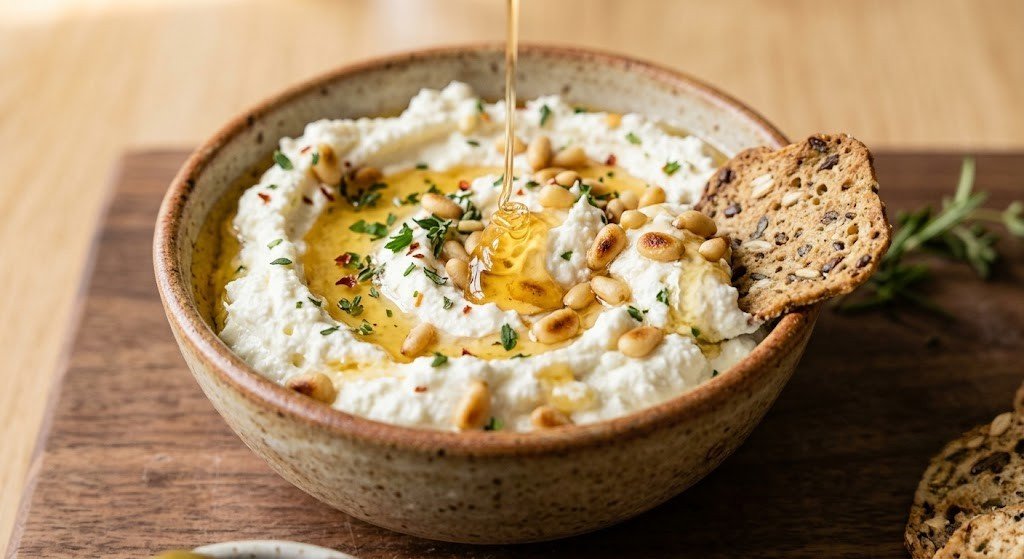
Whipped Feta with Honey & Thyme
Combine high-quality Greek feta cheese, cream cheese, a splash of extra virgin olive oil, and lemon juice in a food processor until silky smooth. Transfer to a bowl, drizzle with hot honey, and garnish with fresh thyme leaves.
Roasted Garlic & Herb White Bean Dip
For a hearty, plant-based option, blend rinsed cannellini beans with sweet roasted garlic cloves, tahini, fresh rosemary, and lemon zest. This cream-free spread offers a velvety, rich texture that pairs wonderfully with crusty artisan breads.
If you enjoy host-friendly spreads and fast entertaining ideas, explore our complete [Internal Link: Insert relevant internal URL here with anchor text: guide to quick weeknight appetizer ideas].
Step-by-Step Board Assembly & Styling Guide
To give your savory grazing boards a professional, magazine-worthy presentation, assemble your components following these simple steps:
- Position the Bowls: Place your artisanal dip ramekins, small bowls, and whole cheese wheels on opposite ends of the board to establish structural anchors.
- Fan Out the Starches: Arrange crackers, sliced baguettes, and flatbreads in sweeping curves around the bowls.
- Fold the Meats: Shape prosciutto into loose ribbons and fold salami slices into triangles or roses. Tuck them firmly next to the crackers and cheeses.
- Fill the Gaps: Pack remaining spaces tightly with fresh berries, nuts, olives, dried fruits, and fresh herb sprigs like rosemary or basil.
For official safety guidelines on leaving perishable cheeses, cold cuts, and dairy-based dips out at room temperature during parties, check the [External Link: Insert high-authority external URL here with anchor text: USDA Food Safety Information on Party Foods].
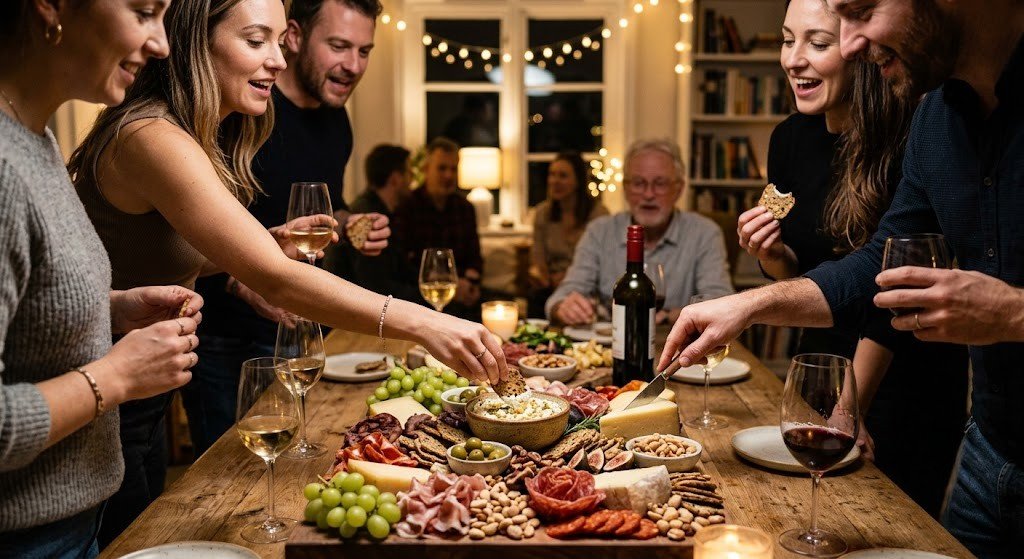
Professional Tips for Board Success
- Serve at Room Temperature: Remove hard cheeses and cold cuts from the refrigerator 30 to 45 minutes before serving. Cold dampens subtle flavor nuances in artisan dairy and fat-rich meats.
- Keep Dips Separated: Always serve wet items (olives, pickles, oily dips) in separate small bowls rather than directly on the board to prevent crackers from turning soggy.
- Vary the Height: Use small elevated stands or stack cracker piles higher in certain areas to create dynamic vertical interest across the layout.
Frequently Asked Questions
How far in advance can I build a grazing board?
You can chop cheeses, prepare dips, and slice meats up to 24 hours in advance, keeping them stored separately in airtight containers in the fridge. Assemble the dry ingredients (crackers, nuts) and place the prepped items on the board 1 hour before guests arrive.
What are the best dietary substitutions for a vegetarian board?
Replace cured meats with extra roasted nuts (marinated almonds, candied walnuts), gourmet olives, stuffed peppadew peppers, roasted chickpeas, and an extra variety of house-made plant dips like hummus or tapenade.
How much food should I plan per person?
For a light appetizer before a meal, calculate about 2 to 3 ounces of meat and cheese per person, plus dips and starches. If the board is serving as the main food event, plan for 5 to 6 ounces of protein and cheese per guest.
Mastering savory grazing boards allows you to turn simple, high-quality ingredients into an interactive work of art. By combining varied textures, thoughtful flavor pairings, and rich artisanal dips, you’ll create an inviting, stress-free spread that keeps your guests coming back for more.
What custom dip or cheese combination are you most excited to try on your next board? Let me know in the comments below!Entertaining guests or hosting a casual gathering should be as enjoyable for the host as it is for the attendees. Beautifully styled savory grazing boards paired with handcrafted, artisanal dips offer the perfect balance of visual appeal, varied textures, and rich flavors—all without keeping you stuck in the kitchen during your event.
Unlike traditional charcuterie platters, modern grazing boards focus on an interactive eating experience. By combining contrasting taste profiles—such as salty cured meats, creamy cheeses, tangy pickles, crisp crackers, and vibrant homemade spreads—you can create an unforgettable centerboard that caters to every palate.
Key Takeaways
- The Anchors First Rule: Always place your dip bowls, small ramekins, and soft cheeses on the board first to build a solid structural layout before filling in open spaces.
- Master the Flavor Palette: Achieve culinary balance by incorporating five distinct flavor pillars: salty, sweet, savory, creamy, and acid/tangy.
- Artisanal Dips as Flavor Drivers: House-made spreads like whipped feta with honey, roasted red pepper hummus, and caramelized onion dip elevate a standard platter into a gourmet experience.
- Abundance & Depth: Layer ingredients tightly and overlap items to create a lush, generous appearance without leaving empty spaces on the board.
Anatomy of a Perfect Savory Grazing Board
Building memorable savory grazing boards requires more than tossing a few crackers and cheese slices onto a tray. Success lies in intentional selection across five core component categories:
1. Artisanal Cheeses
Vary your selections by texture, aging, and milk type (cow, goat, sheep). Combine a hard cheese (such as aged Cheddar or Manchego), a soft cheese (like creamy Brie or Camembert), and a tangy option (goat cheese logs or blue cheese) for contrast.
2. Cured Meats & Proteins
Offer high-quality charcuterie with diverse shapes and fat levels. Prosciutto folded into delicate ribbons, thinly sliced genoa salami rolled into rosettes, and dry-cured chorizo add rich, savory depth.
3. Crunchy Vehicles
Provide a sturdy foundation for dipping and layering. Include a mix of sea salt artisan crackers, seeded flatbreads, sliced baguette rounds, and crispy breadsticks (grissini).
4. Fresh & Pickled Accents
Incorporate fresh fruits (grapes, fig halves, berries), dried fruits (apricots, dates), and briny, acidic elements (marinated olives, cornichons, pickled red onions) to cleanse the palate between rich bites.
Crafting Signature Artisanal Dips
Dips and spreads serve as the binding agent for savory grazing boards. While store-bought options save time, making custom spreads takes minutes and yields vastly superior flavor profiles.
Whipped Feta with Honey & Thyme
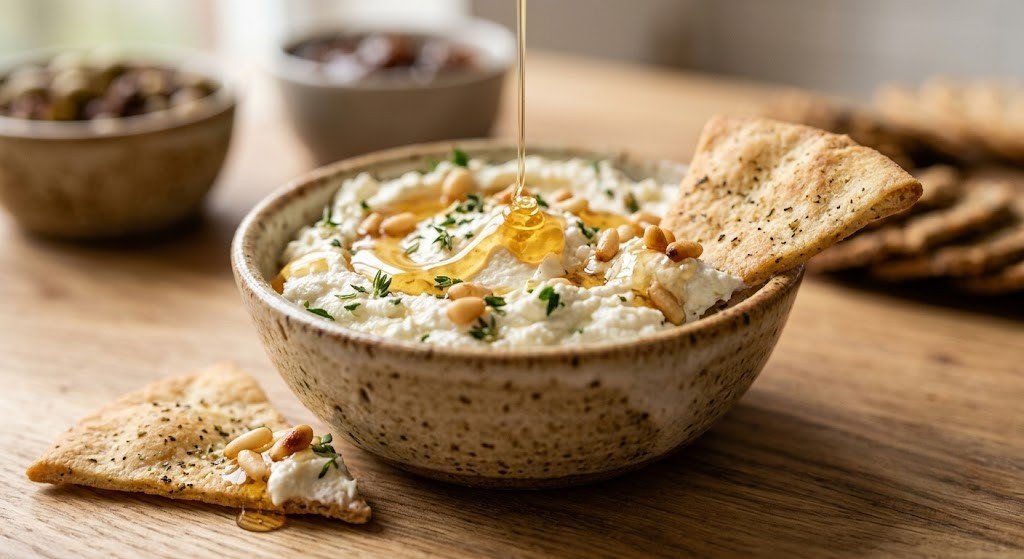
Combine high-quality Greek feta cheese, cream cheese, a splash of extra virgin olive oil, and lemon juice in a food processor until silky smooth. Transfer to a bowl, drizzle with hot honey, and garnish with fresh thyme leaves.
Roasted Garlic & Herb White Bean Dip
For a hearty, plant-based option, blend rinsed cannellini beans with sweet roasted garlic cloves, tahini, fresh rosemary, and lemon zest. This cream-free spread offers a velvety, rich texture that pairs wonderfully with crusty artisan breads.
If you enjoy host-friendly spreads and fast entertaining ideas, explore our complete [Internal Link: Insert relevant internal URL here with anchor text: guide to quick weeknight appetizer ideas].
Step-by-Step Board Assembly & Styling Guide
To give your savory grazing boards a professional, magazine-worthy presentation, assemble your components following these simple steps:
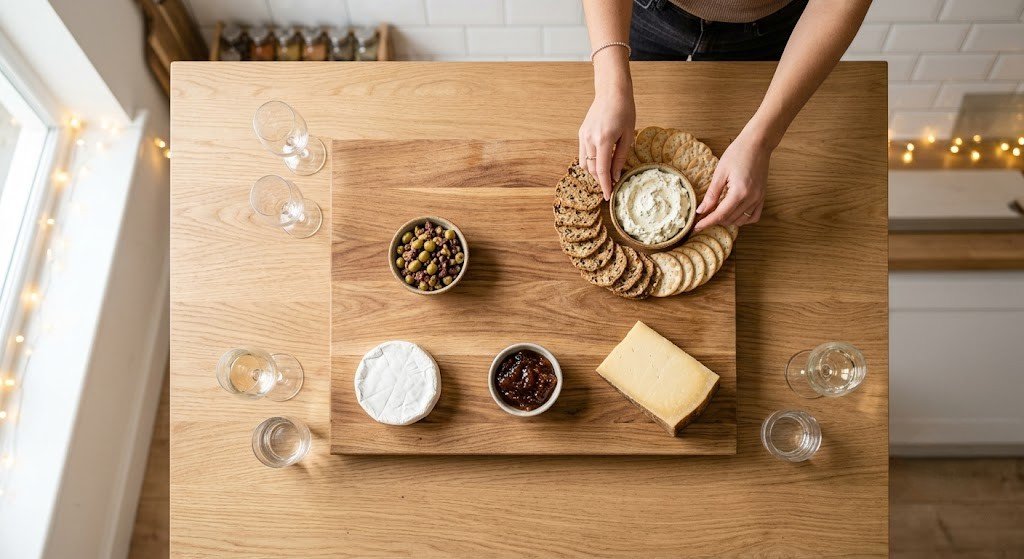
- Position the Bowls: Place your artisanal dip ramekins, small bowls, and whole cheese wheels on opposite ends of the board to establish structural anchors.
- Fan Out the Starches: Arrange crackers, sliced baguettes, and flatbreads in sweeping curves around the bowls.
- Fold the Meats: Shape prosciutto into loose ribbons and fold salami slices into triangles or roses. Tuck them firmly next to the crackers and cheeses.
- Fill the Gaps: Pack remaining spaces tightly with fresh berries, nuts, olives, dried fruits, and fresh herb sprigs like rosemary or basil.
For official safety guidelines on leaving perishable cheeses, cold cuts, and dairy-based dips out at room temperature during parties, check the [External Link: Insert high-authority external URL here with anchor text: USDA Food Safety Information on Party Foods].

Professional Tips for Board Success
- Serve at Room Temperature: Remove hard cheeses and cold cuts from the refrigerator 30 to 45 minutes before serving. Cold dampens subtle flavor nuances in artisan dairy and fat-rich meats.
- Keep Dips Separated: Always serve wet items (olives, pickles, oily dips) in separate small bowls rather than directly on the board to prevent crackers from turning soggy.
- Vary the Height: Use small elevated stands or stack cracker piles higher in certain areas to create dynamic vertical interest across the layout.
Frequently Asked Questions
How far in advance can I build a grazing board?
You can chop cheeses, prepare dips, and slice meats up to 24 hours in advance, keeping them stored separately in airtight containers in the fridge. Assemble the dry ingredients (crackers, nuts) and place the prepped items on the board 1 hour before guests arrive.
What are the best dietary substitutions for a vegetarian board?
Replace cured meats with extra roasted nuts (marinated almonds, candied walnuts), gourmet olives, stuffed peppadew peppers, roasted chickpeas, and an extra variety of house-made plant dips like hummus or tapenade.
How much food should I plan per person?
For a light appetizer before a meal, calculate about 2 to 3 ounces of meat and cheese per person, plus dips and starches. If the board is serving as the main food event, plan for 5 to 6 ounces of protein and cheese per guest.
Mastering savory grazing boards allows you to turn simple, high-quality ingredients into an interactive work of art. By combining varied textures, thoughtful flavor pairings, and rich artisanal dips, you’ll create an inviting, stress-free spread that keeps your guests coming back for more.
What custom dip or cheese combination are you most excited to try on your next board? Let me know in the comments below!