

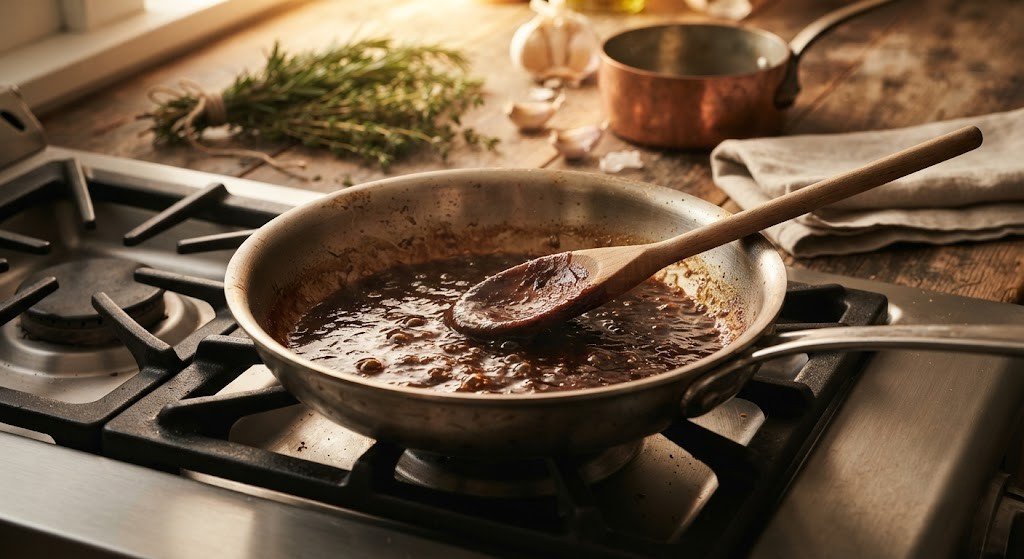
In professional cooking, a sauce is far more than an afterthought—it is the element that unifies a dish, adding moisture, richness, balance, and visual appeal. Understanding culinary sauces & pan reductions is one of the most transformative skills any home cook or professional chef can master.
From rich, silky pan sauces built directly from searing a steak to delicate emulsified butter sauces, mastering liquid reductions unlocks endless flavor possibilities without requiring complex kitchen equipment.
Key Takeaways
- Master the Fond: The caramelized browned bits stuck to the bottom of your pan after searing protein form the primary flavor engine for pan reductions.
- Deglaze with Purpose: Acidic liquids like wine, citrus juice, or stock dissolve the fond and create a concentrated, balanced sauce base.
- Understand Emulsification: Finishing a reduction off the heat with cold butter (monté au beurre) gives it a glossy shine and velvety mouthfeel without breaking the sauce.
- Build from the Mother Sauces: The 5 classical French mother sauces—Béchamel, Velouté, Espagnole, Sauce Tomate, and Hollandaise—serve as the foundation for hundreds of derivative sauces.
1. The 5 French Mother Sauces: The Foundation of Flavor
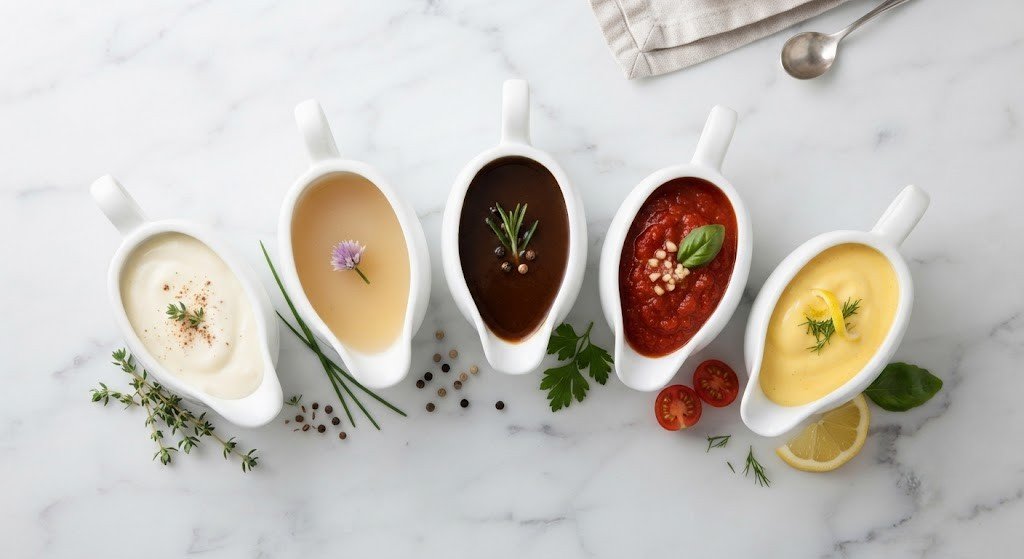
Before diving into quick pan reductions, every cook should understand the classical foundations established by French gastronomy. These five “mother sauces” serve as liquid building blocks.
+----------------+--------------------------+-----------------------+----------------------------------+
| Mother Sauce   | Liquid Base              | Thickening Agent      | Common Derivative Sauces         |
+----------------+--------------------------+-----------------------+----------------------------------+
| Béchamel       | Whole Milk               | White Roux            | Mornay (Cheese sauce), Alfredo   |
| Velouté        | White Stock (Veal/Fowl)  | Blond Roux            | Supreme, Allemande, Mushroom     |
| Espagnole      | Brown Veal Stock         | Brown Roux + Tomato   | Demi-Glace, Bordelaise, Chasseur |
| Sauce Tomate   | Tomatoes + Aromatics     | Reduction / Roux      | Marinara, Provençale, Bolognese  |
| Hollandaise    | Clarified Butter         | Egg Yolk Emulsion     | Béarnaise, Choron, Mousseline    |
+----------------+--------------------------+-----------------------+----------------------------------+
Roux-Based Sauces vs. Emulsified Sauces
Roux (an equal combination of flour and fat cooked together) thickens sauces like Béchamel and Velouté by gelatinizing starches. On the other hand, sauces like Hollandaise rely on the physical suspension of fat droplets within liquid, held together by lecithin in egg yolks.
2. Mastering Pan Reductions and Pan Sauces
While traditional mother sauces can take hours to simmer, a pan reduction comes together in under ten minutes using the residual flavor left in your pan after searing meats, poultry, or fish.
The 4 Step Pan Sauce Workflow
- Sear and Remove Protein: Cook your protein (steak, pork chops, chicken breasts, or duck) in a stainless steel or cast-iron skillet until a rich crust develops. Set the meat aside to rest.
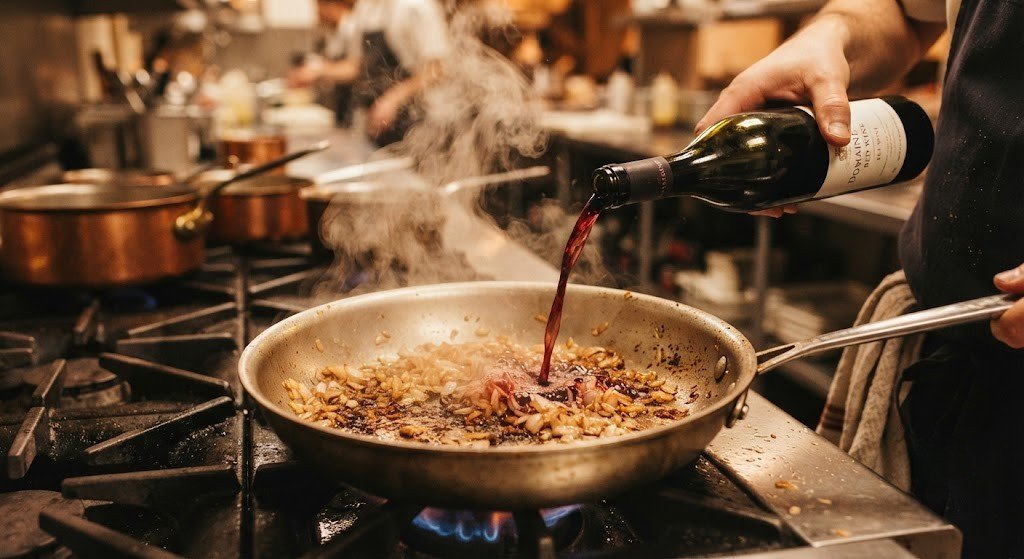
- Sauté Aromatics: Drain excess cooking oil leaving about one tablespoon. Add finely minced shallots, garlic, or fresh herbs like thyme and rosemary over medium heat for 1–2 minutes until fragrant.
- Deglaze the Pan: Pour in an acidic liquid—such as dry white wine, red wine, vermouth, or lemon juice. Use a wooden spoon to scrape up every bit of caramelized fond stuck to the bottom.
- Reduce and Emulsify: Add a high-gelatin stock (beef, veal, or chicken) and simmer rapidly until the liquid reduces by half and thickens enough to coat the back of a spoon (nappe consistency).
When selecting ingredients for a pan reduction, understanding classic flavor pairings is crucial. For detailed guidance on sourcing quality bones and stock ingredients, refer to culinary standards published by the [External Link: Insert high-authority external URL here with anchor text: Culinary Institute of America].
To expand your menu after mastering sauce techniques, explore our guide on [Internal Link: Insert relevant internal URL here with anchor text: crowd-pleasing savory appetizers for hosting] to pair your creations with delicious main dishes.
3. Finishing & Fixing Your Sauces Like a Pro
The difference between a watery sauce and a silky, restaurant-quality reduction comes down to execution during the final minutes of cooking.
The Monté au Beurre Technique
Right before serving your reduction, remove the pan entirely from the heat source. Swirl in 1 to 2 tablespoons of cold, unsalted butter cubed into small pieces. As the butter melts into the warm liquid without boiling, it forms a temporary emulsion that adds gloss, body, and a mellow richness to the pan sauce.
How to Fix Common Sauce Mistakes
- Sauce is Broken (Oily Separation): Remove from heat and whisk in a teaspoon of ice water or warm water drop by drop until it re-emulsifying.
- Sauce is Too Thin: Continue simmering gently to evaporate water, or stir in a slurry of equal parts cornstarch and cold water.
- Sauce is Too Salty: Balance with a splash of cream, a squeeze of fresh lemon juice, or a raw potato slice simmered briefly to absorb excess sodium.
Conclusion
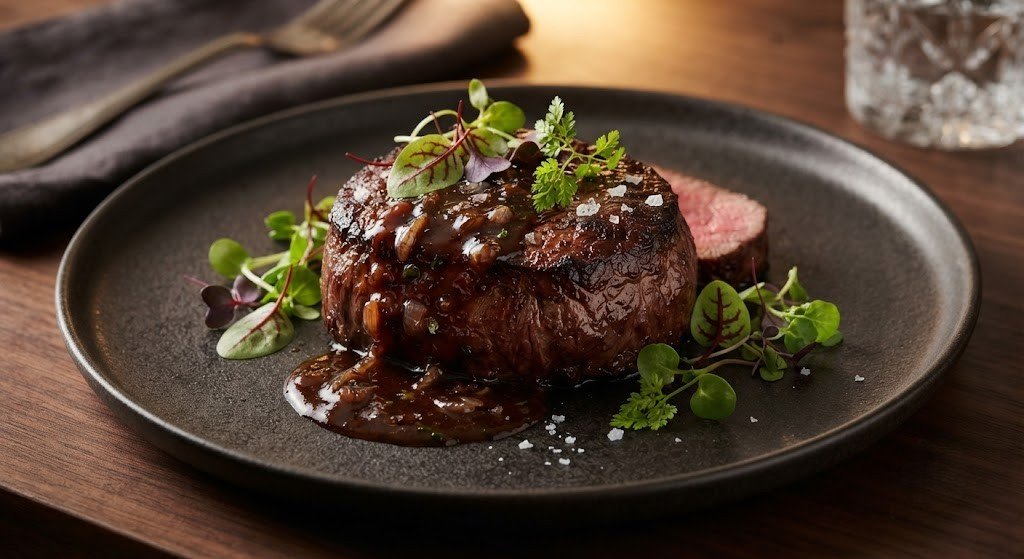
Mastering culinary sauces & pan reductions elevates everyday home cooking into an artisanal dining experience. By understanding how to lift fond with an acidic deglazer, reduce liquid down to concentrate its natural flavors, and finish with cold butter, you can create delicious pan sauces on the fly using ingredients you already have in your kitchen. Practice these fundamental steps, experiment with different wine and stock combinations, and make velvety reductions a staple of your culinary repertoire.
Frequently Asked Questions (FAQs)
What is the difference between a pan reduction and a pan sauce?
A pan reduction specifically refers to reducing liquid through evaporation to intensify its flavors. A pan sauce incorporates this reduction technique directly in the skillet where protein was cooked, combining the fond, deglazing liquids, aromatics, and butter.
Why did my pan sauce separate or break?
Pan sauces usually break (separate into oil and liquid) if the heat was too high when adding butter, or if the sauce was boiled aggressively after emulsifying. Always remove the pan from direct heat before swirling in cold butter.
Can I make a pan reduction without wine?
Yes! You can deglaze the pan using low-sodium stock mixed with a splash of acid, such as apple cider vinegar, fresh lemon juice, pomegranate juice, or balsamic vinegar, to achieve the same brightness and depth without alcohol.